First appointment: pressure off
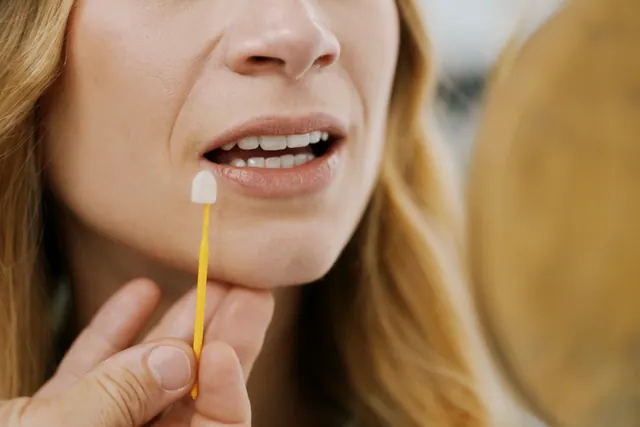
Numb, open, remove the inflamed tissue. The throbbing pressure is gone straight away. That’s the part nobody expects.
Your tooth stays your tooth
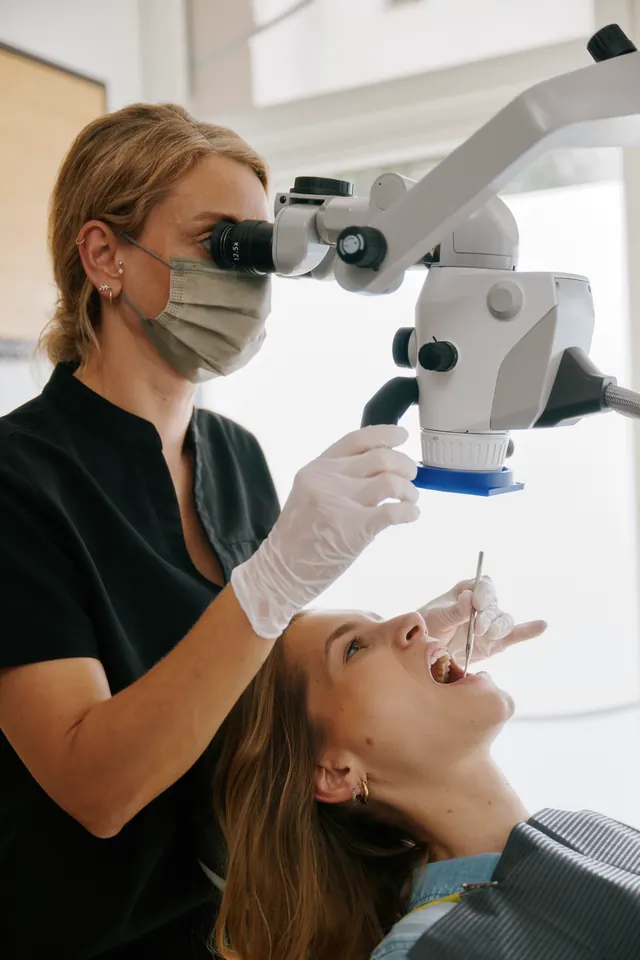
A tooth that hurts is far from a lost tooth. For root canal treatment in Berlin, we work under the Zeiss Extaro 300, a microscope that reveals canals thinner than a hair. What we can see, we don’t have to guess.
First it reacts to cold. Then to hot. At some point it throbs at night, and you lie awake googling.
What’s happening: decay or a crack has reached the nerve, and the tissue inside the tooth is getting inflamed. This tooth root inflammation won’t stop on its own. Root canal treatment clears out the nerve and seals the canal. The tooth stays. Without it, the only option left would be to pull it.
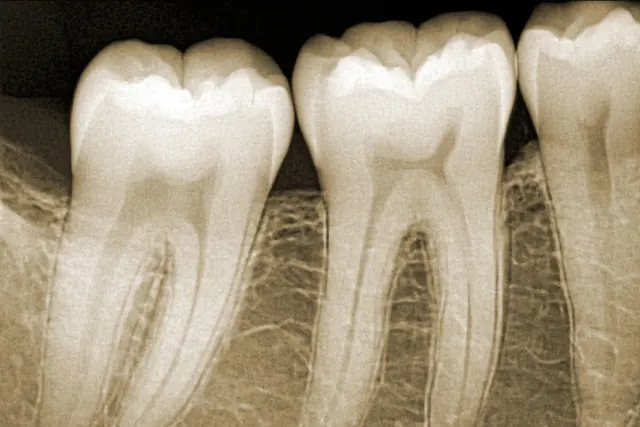
A root canal isn’t a simple tube but a whole root system: branched, curved, sometimes as fine as a hair. Under the microscope, side canals become visible that would otherwise slip through. If one is left untreated, bacteria survive there and the inflammation comes back.
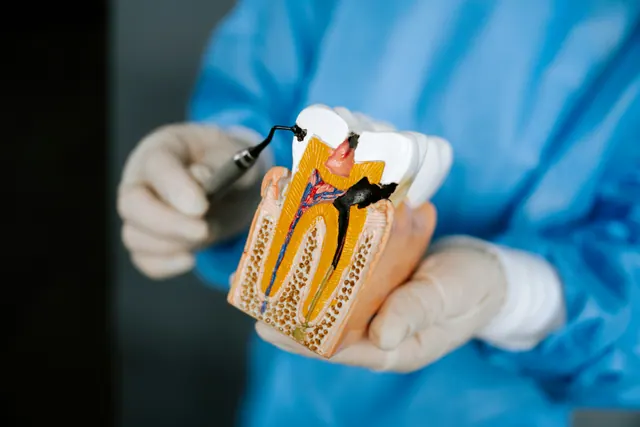
When you can see precisely, you have less to guess. We remove only as much tooth structure as we need to reach the canal. Whatever is left supports the tooth later on.
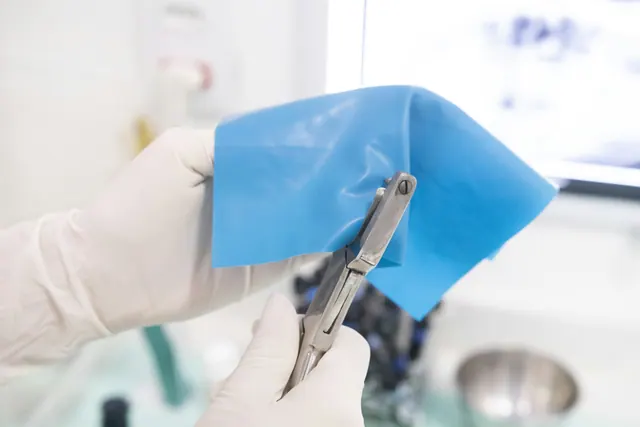
In the end, one thing matters: is the canal sealed tight? We measure electronically, irrigate with ultrasound and check by sight, not by feel.
A dental microscope takes time, money and practice. We use one anyway, because the difference isn’t something you see, it’s something you notice years later. With the Zeiss Extaro, we achieve a very high success rate. Our endodontics is in the hands of Sarah Hartmann and Johanna Seer.
Numb, open, remove the inflamed tissue. The throbbing pressure is gone straight away. That’s the part nobody expects.
Each canal is cleaned and measured under direct vision. Front teeth usually have one, back teeth up to four. With four canals this takes up to 90 minutes, with fewer it’s shorter.
The tooth gets a medication and a tight temporary seal. The inflammation settles before we close it up.
Once the canal is free of inflammation, we fill it completely and seal the tooth. Then we talk about a partial crown: the tooth is stable, but it’s no longer elastic.
Getting yourself here usually hurts more than the treatment. The tooth is numbed before we start: you feel pressure, not pain. The bad reputation dates from a time without microscopes and modern anaesthetics. Afterwards the tooth may feel tender, usually for one to two days. And if just reading this makes you queasy: tell us beforehand. We can also treat you under general anaesthesia or with nitrous oxide.
Treatment under the microscope is a private service. If the outlook is clearly good, statutory health insurance covers the basic treatment; private supplementary insurance often covers more.
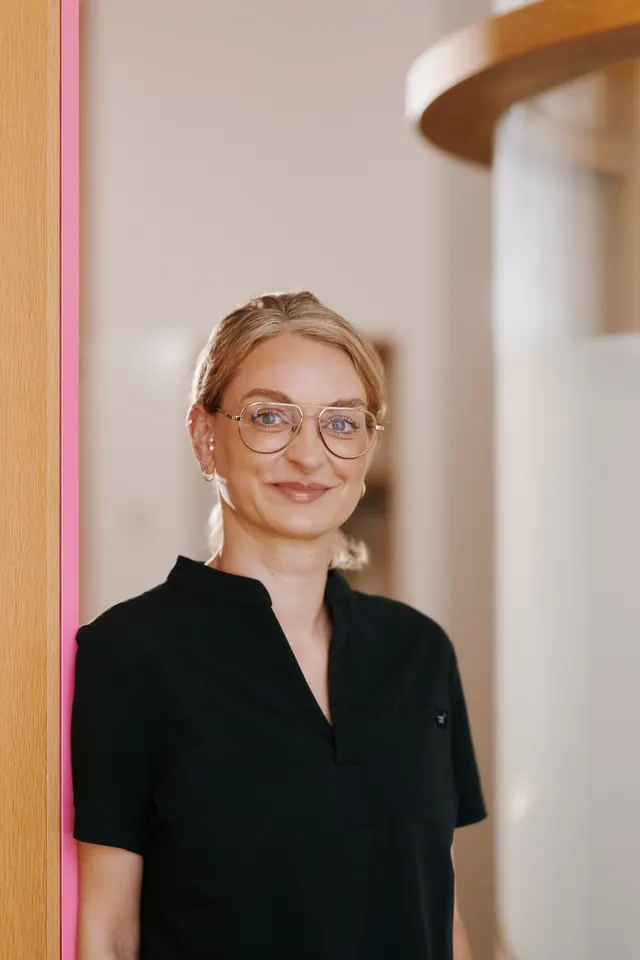
First of all, we listen: how can we help, what’s bothering you, what would you like? Then we look for the right solutions together and agree on materials and costs with you. In the end, the only thing that should leave you open-mouthed is that you get to keep your tooth.
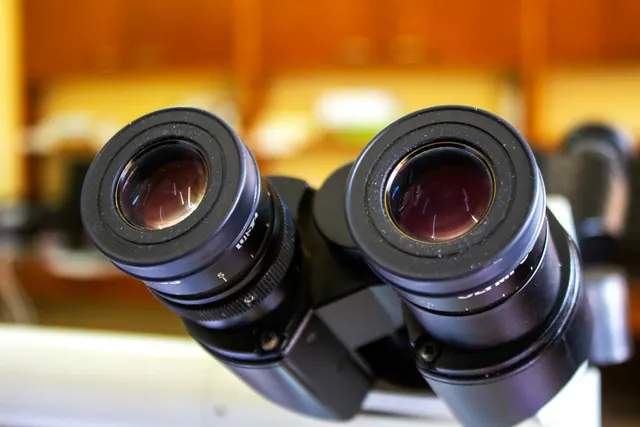
Once it’s clear that we can save the tooth, we work under the Zeiss Extaro 300, guided not by rules of thumb but by what we actually see.
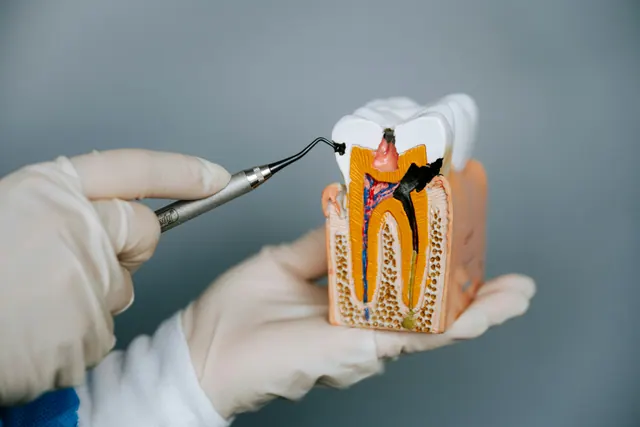
A tightly sealed root canal lasts many years. To keep the tooth from breaking, we’ll then discuss a partial crown. Doing half the job would be the most expensive option here.
Short answers to the things we're asked most often. If your question isn't here, just get in touch.
You’re sitting there in pain, reading dentist websites. Stop reading and call: we keep appointments free every day for acute pain. We’ll tell you honestly whether your tooth can be saved, even when the answer is no. Outside our opening hours, the emergency dental service will help you.
Let’s talk! (opens in a new tab)