Skip to content
Call us

Periodontitis treatment in Berlin: keeping teeth instead of losing them

Gums don’t grow back. But a lot can still be stopped

Bleeding gums are the first sign, and the one most easily overlooked. If this turns into periodontitis, the bone that holds your teeth recedes: painlessly and over years. That’s exactly why we start by measuring, not by treating.

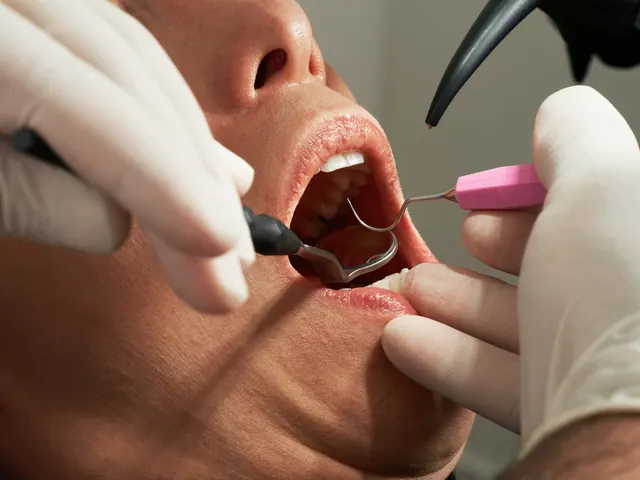
Checking the gums with a mirror and a probe
Two words, one disease

Periodontitis: what is it?

Medically, periodontitis is a bacterial inflammation of the periodontium, meaning the bone, fibres and gums that support your tooth. Periodontosis, strictly speaking, only means gums receding without inflammation. In everyday German many people say Parodontose, but they almost always mean periodontitis.

More important than the name is how it progresses: the disease is chronic. It doesn’t go away by itself and it can’t be cured. But it can be brought to a standstill and kept there. That’s no consolation prize, but the realistic goal of treatment.

Your body speaks quietly

How to recognise periodontitis

If you see blood when brushing your teeth, that isn’t a sign of brushing too hard. Healthy gums don’t bleed. Look out for these signs:

  • Bleeding gums when brushing or cleaning between your teeth
  • Swollen, red or receding gums
  • Exposed tooth necks that react to cold
  • Teeth that drift, tilt or become loose
  • Persistent bad breath or an unpleasant taste

A dentist in Berlin who takes bleeding gums seriously measures instead of reassuring.

Our reputation precedes us

Why periodontitis treatment at Mundpropaganda?

Periodontitis isn’t treated in one appointment, but over years. Kerrin Gratecap is responsible for periodontology here. Isabel Heß is a dental hygienist, the prophylaxis team is GBT-certified, and we keep track of your aftercare appointments instead of leaving them to you.

Measure first, then treat, then keep at it

How does periodontitis treatment in Berlin work?

1

Diagnosis and periodontal status

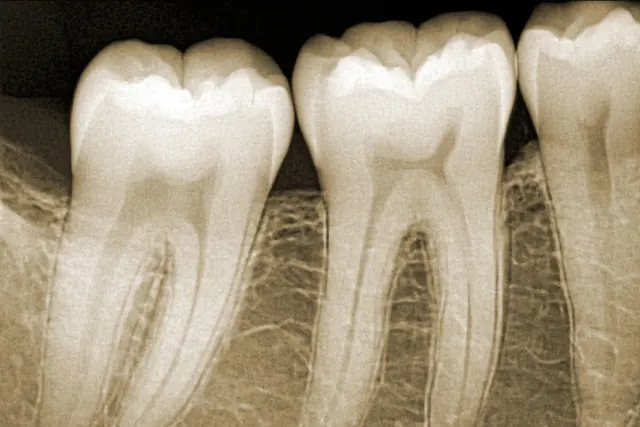
It starts with a professional teeth cleaning. After that we measure every gum pocket, record a bleeding index and take X-rays. From this comes your periodontal status and the plan for your health insurer. Once it’s approved, we discuss it with you, and our dental hygienist uses your oral hygiene status to show you where your toothbrush doesn’t reach.

Duration 2 preparatory appointments

2

Systematic therapy

Under local anaesthetic we clean the pockets completely, remove hard and soft deposits and smooth the root surfaces. The soft deposit is the biofilm in which the bacteria sit. Instead of reaching for antibiotics straight away, we work with Perisolv and hyaluronic acid: a gel that dissolves the biofilm, and a substance that supports the regeneration of hard and soft tissue. A surgical step is rarely needed. If it is, we rebuild bone defects ourselves, with bone substitute material, PRF from your own blood or enamel matrix proteins.

Duration 1.5-2 h

3

Aftercare every four months

Then the part begins that decides whether it succeeds: supportive periodontal therapy. Every four months we check and clean, so that bacteria don’t build up again and the tissue can regenerate. We keep an eye on these appointments.

Duration Every four months, for good

Dr. Kerrin Gratecap in the practice hallway
Say ah, we’re all ears

Advice comes first

We start by listening to you and looking at how things really stand. Only then do we talk about treatment and what it costs.

A man cleaning between his teeth with floss
It doesn’t work without you

What you have to do yourself

Periodontitis is the one treatment that doesn’t work without your cooperation. Between appointments, what counts is what you do at home, above all between your teeth. We show you how, and we check it without lecturing you.

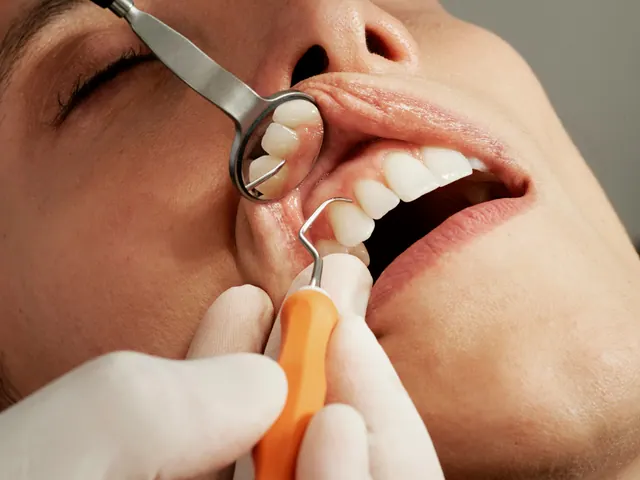
A check-up with mirror and probe
Keeping at it is the treatment

Why aftercare counts

After therapy, the inflammation has stopped, not disappeared. Checking every four months isn’t an extra sale, it’s the part that keeps your teeth.

FAQ

Frequently asked questions about periodontitis treatment

Short answers to the things we're asked most often. If your question isn't here, just get in touch.

No, and any practice that says otherwise is promising too much. Periodontitis is a chronic disease: bone that has already receded doesn’t come back by itself. What can be done is to stop the inflammation and keep things that way for good. With consistent aftercare, that very often works.

The bacteria can in principle be transmitted. Whether this leads to periodontitis depends on your immune system, predisposition, smoking and oral hygiene. In practice, that means: have your partner examined too if you’ve been diagnosed with periodontitis.

The bone loss continues, usually without pain. The teeth become loose, drift and are eventually lost. That’s why we measure rather than wait when gums bleed: the disease doesn’t hurt while it’s still easy to treat.

Every four months, for good. That sounds like a lot, and it’s the core of the treatment. Since 2021, supportive periodontal therapy has been part of statutory health insurance cover, for two years. We’ll invite you, so you don’t have to remember it yourself.

More services

Service

Medically reviewed by Dr. Kerrin Gratecap, Dentist · last updated on

Contact

If your gums bleed, the first step is a small one: have them measured. Anyone in Berlin looking for a practice to treat periodontitis should start right there, not with a treatment plan. Write to us or call, we’ll get back to you promptly.

Book a gum check-up (opens in a new tab)